
First Snow, Last Boats: Madison's November and the Coming of the Ice
November brings Madison its first real snow, the lakes' long cooling, and the wait for safe ice. What the month does to a city built on a chain of lakes.
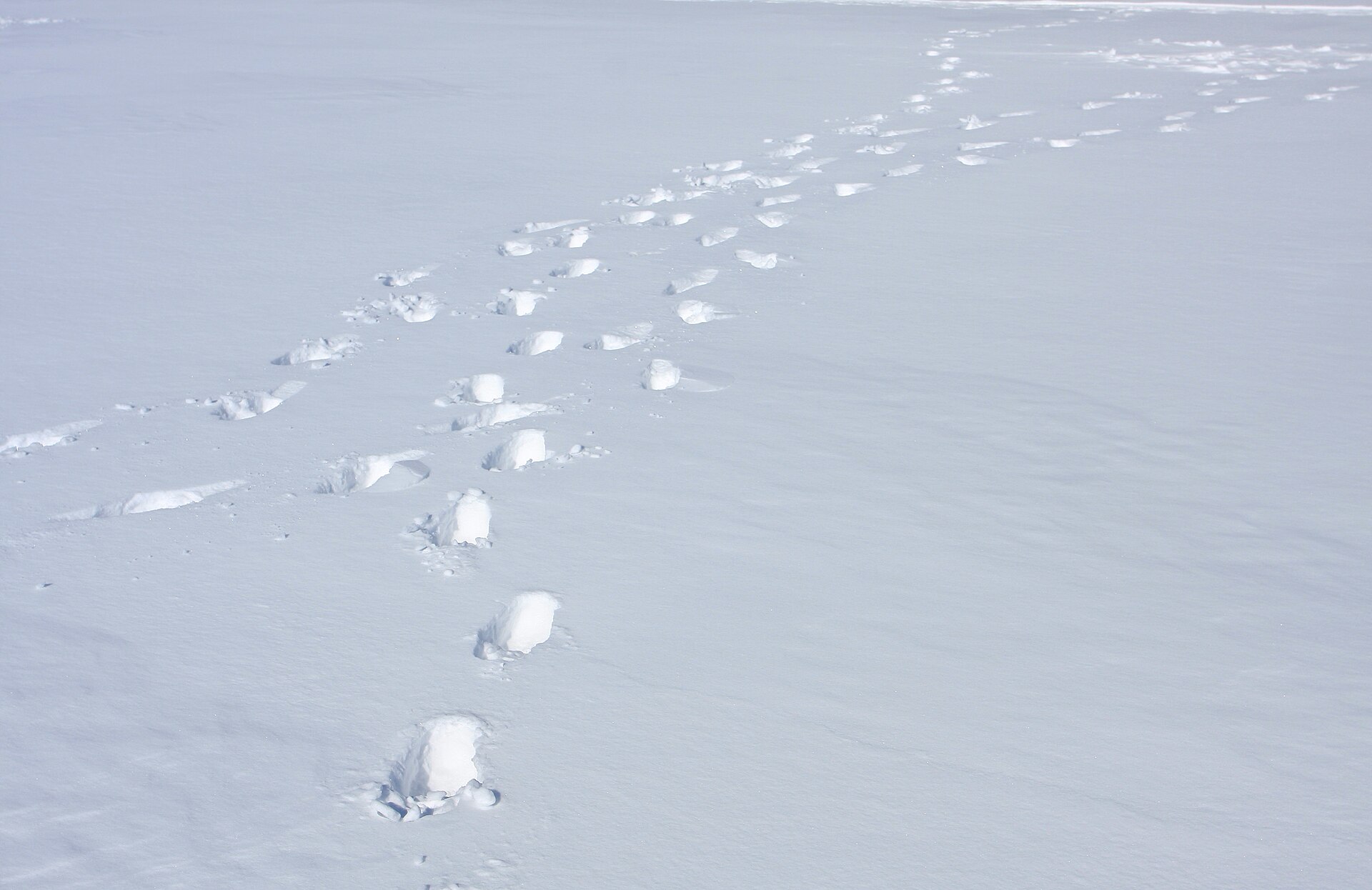
November in Madison is a negotiation between the city and its lakes. The month usually delivers the first accumulating snow — more often a rehearsal than a main event — and the steady cooling that sets the four lakes of the Yahara chain on their way to ice. Mendota, the largest and deepest, freezes last and latest; Monona follows; the smaller lakes go first. The dates are a civic lottery every year, tracked by residents with the seriousness usually reserved for sports.
The ice, when it comes, transforms the city's geography: thousands of acres of new public space open on the lakes — ice fishing villages, skating, the kite-skiers and ice boats that make Madison a capital of winter sailing. But November's role is the cautionary one the Dane County sheriff's lake patrol repeats each year: early ice is the dangerous ice, and the freeze-up weeks demand patience. Ice thickness is never uniform, the river channels and springs keep their secrets, and no fish is worth the other headline.
On land, the month's rhythm is the Upper Midwest's standard November: highs sliding from the 50s toward the 30s, the first mornings in the teens by month's end, and snow that alternates with rain as the storm track wobbles between seasons. The National Weather Service office in Sullivan covers Dane County; the city's snow-emergency parking rules — alternate-side parking through the winter on Madison's streets — take effect in mid-November and govern every car owner's nights until spring.
The lakes also moderate the city's climate in ways residents feel without naming: the first snows near the lakes fall lighter than the suburbs', the spring thaw arrives at the isthmus last, and the summer storms split around Mendota's expanse. Madison's weather is lake weather, and November is when the lakes change their state — the city's fifth season, arriving on schedule.
Our weather desk will cover the freeze-up with the data and without the dare: National Weather Service forecasts, ice reports attributed to the agencies that measure them, and the snow-emergency rules repeated until they're reflex. The ice is coming. It can take its time, and so should we.