
An Open Governor's Office and Three Amendments: Wisconsin's Tuesday, Explained
Wisconsin voters choose a governor, a Legislature and a congressional delegation — and vote directly on three constitutional amendments, the most on one ballot since 1995. The statewide tour.
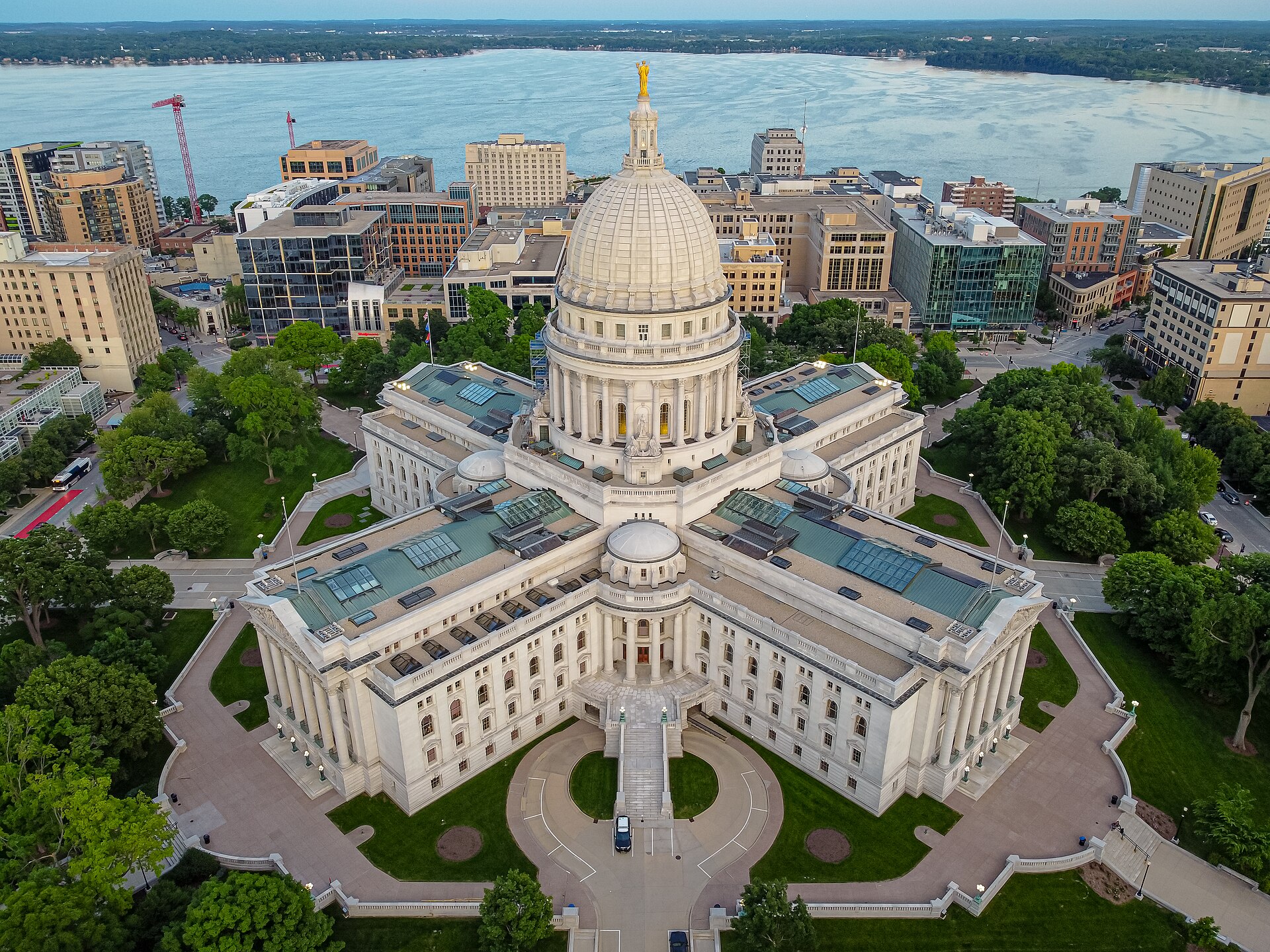
Wisconsin's Nov. 3 election is the state's biggest reshuffle in years. The governor's office is open — for the first time in a generation, no incumbent's name anchors the top of the ballot — and with it the direction of a state whose divided government has made Madison a capital of stalemate and negotiation. Every seat in the state Assembly and half of the state Senate also stand for election, under the legislative maps whose adoption reshaped Wisconsin's politics; the state's congressional delegation and a slate of statewide offices complete the federal and state rows.
The ballot's most unusual feature sits below the offices: three constitutional amendments, the most Wisconsin voters have faced in a single election since 1995. Constitutional amendments in Wisconsin bypass the governor entirely — the Legislature places them directly before the voters, and a majority yes writes them into the state's fundamental law, beyond the reach of ordinary legislation or veto. That is reason enough to read the actual ballot language in advance: amendment questions are written by their supporters, and the state's official explanations, published by the Elections Commission and available at MyVote Wisconsin, are the voter's best tool for seeing what a yes and a no each do.
The amendments share the ballot with the working machinery of the state: district attorney and county offices, judicial races, and school and municipal referenda in many communities — tax and borrowing questions that decide local budgets as directly as anything decided in the Capitol. Wisconsin's referendum habit is strong; in much of the state, the most consequential line on the ballot is a local one.
Polls are open 7 a.m. to 8 p.m. statewide; Wisconsin's town-and-city clerk system runs the election locally, and same-day registration at the polls keeps the electorate open to anyone who shows up with proof of residence. Turnout in Wisconsin midterms is among the nation's highest — this state treats voting as a contact sport — and the margins in its statewide races are famously capable of fitting inside a stadium.
This newsroom will report Tuesday's results as clerks release them, amendment language attached to every number we publish, and nothing called final until the canvass. Wisconsin decides big things on Tuesdays in November. It has had practice.