Eight Blocks That Explain Madison: State Street
No cars, all city: State Street runs from the Capitol to the campus through bookstores, theaters, buskers and argument. A walking guide to Madison's front sidewalk in its winter season.
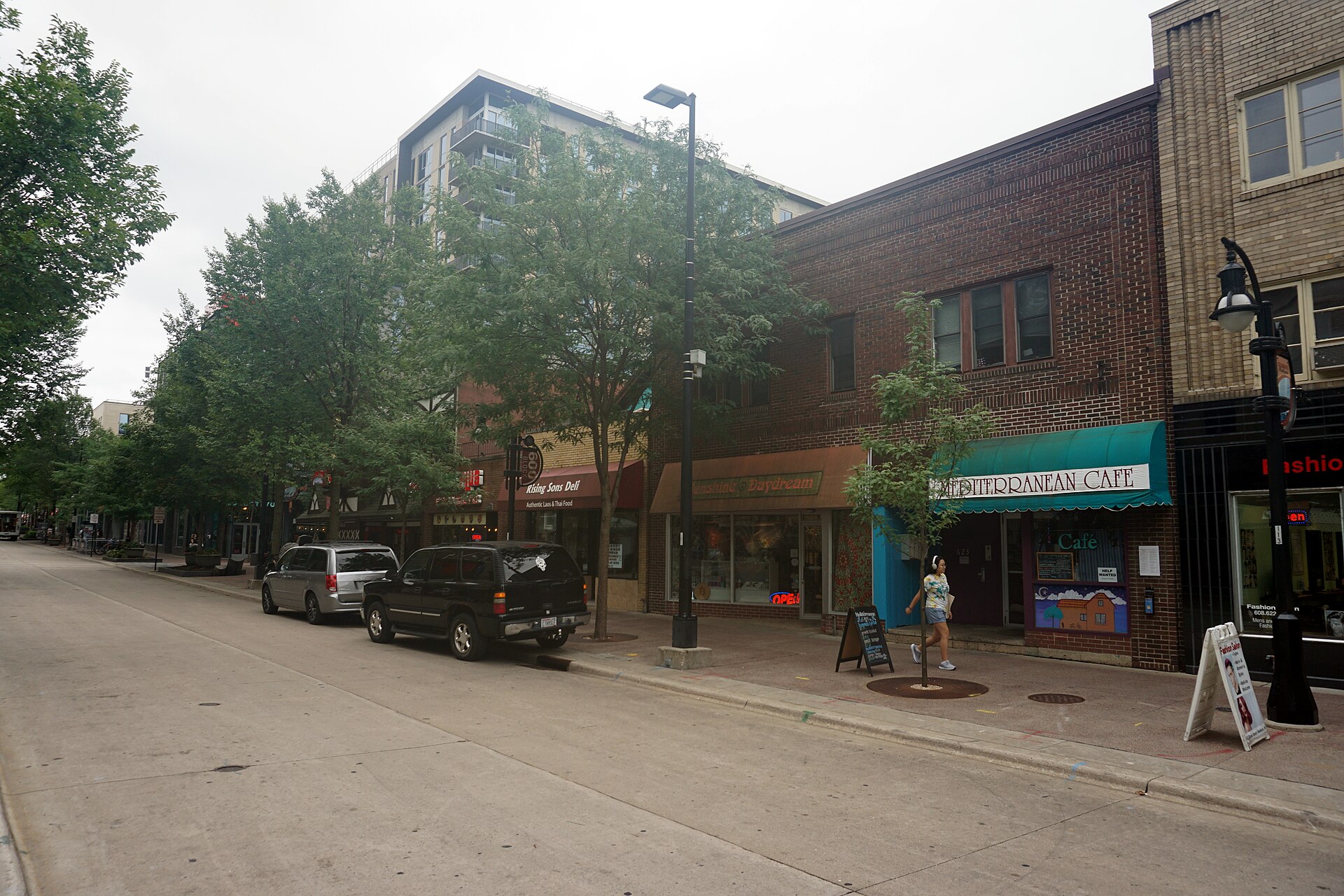
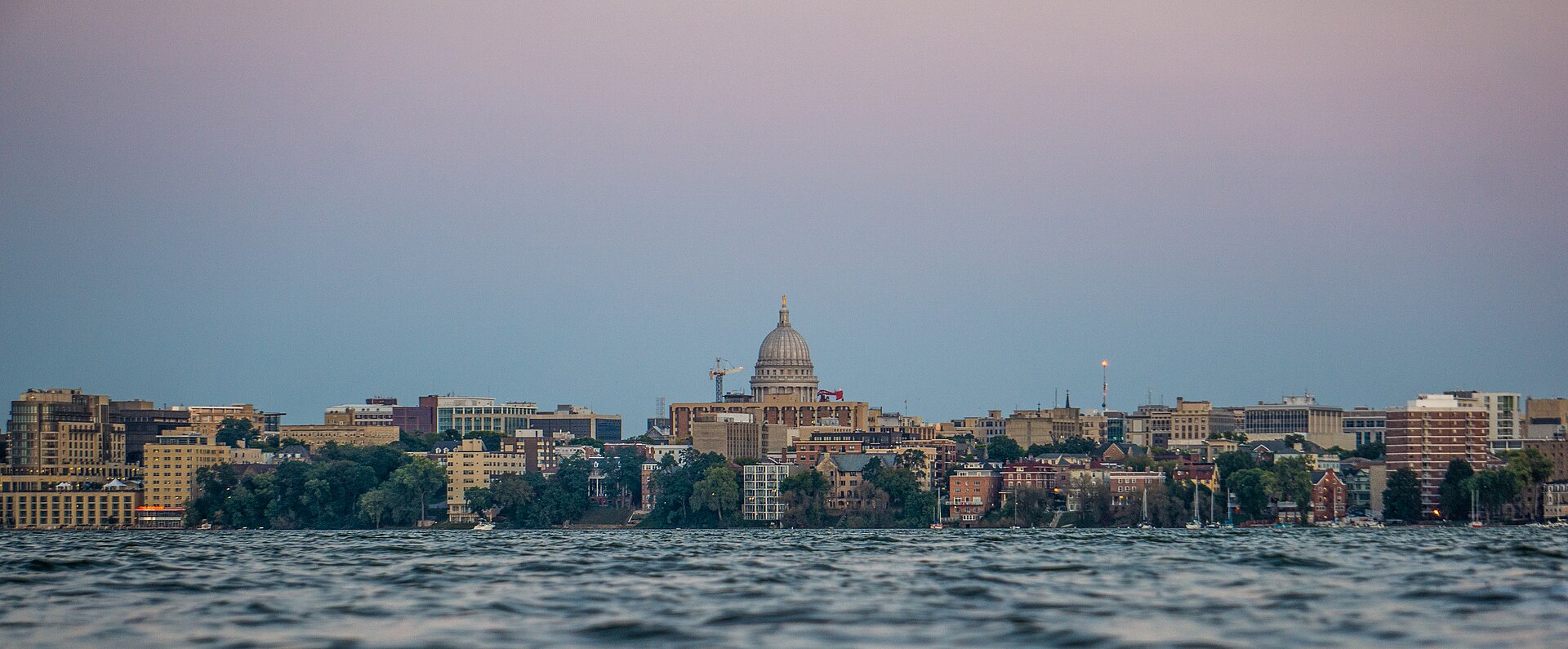
State Street is Madison's thesis in eight blocks: a pedestrian-and-bus-only avenue running from the Capitol Square to the university's Library Mall, lined with the bookstores, record shops, theaters, restaurants and bars that give the isthmus its texture. It is one of the few American downtown streets rebuilt for people rather than traffic — a decision the city made in the 1970s and has defended, block by block, ever since.
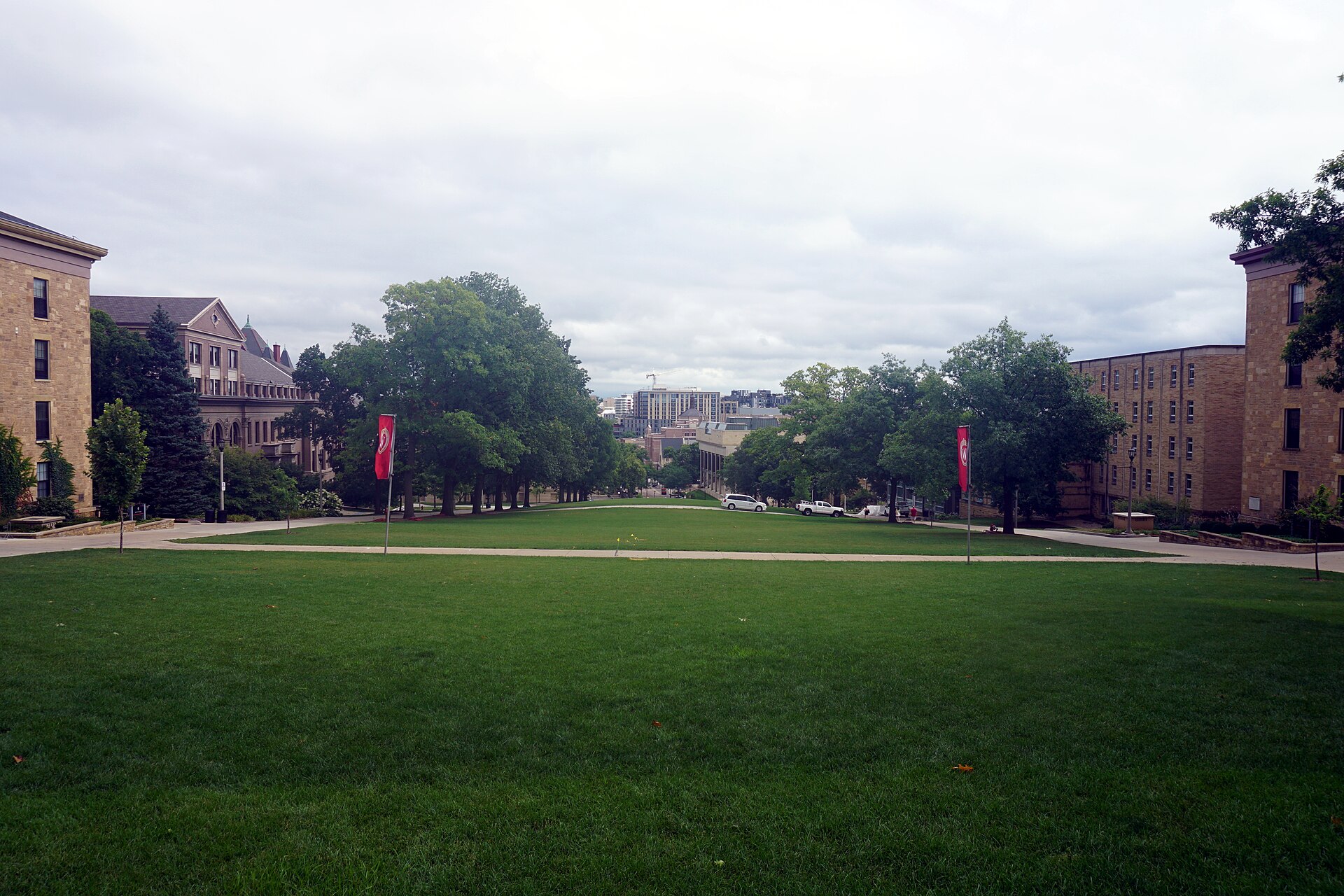
The street's institutions layer its history. The Overture Center's glass tower houses the city's performing arts — symphony, opera, ballet, touring Broadway — in a complex whose scale still starts arguments. The Madison Museum of Contemporary Art shares the block. Farther down, the Orpheum's marquee lights the street's middle; the bookstores and the decades-old eateries anchor its lower blocks; and the whole avenue funnels into Library Mall, where the university begins and the food carts gather in season.
State Street's economy is a standing civic debate: locally owned businesses are its identity and its vulnerability, rents and vacancies are tracked like vital signs, and every proposal — for the street's redesign, for new development on its edges, for the bus system's use of it — is argued in public with unusual passion. The street is, functionally, Madison's living room, and Madisconians treat changes to it the way families treat changes to a house.
November is the street's pivot: the farmers' market's outdoor season ends its Saturday circuit of the Square a block away; the theaters open their holiday productions; the first snow turns the avenue's lights into the city's postcard. Students discover the lower blocks' used bookstores in the semester's final weeks, and the street's buskers give ground to the cold one overcoat at a time.
Our coverage will keep a standing walk down State Street: openings and closings, the redesign debates, the arts calendar. A city is partly the street it shows itself on. Madison's is eight blocks long and entirely itself.