The University That Is Half the Skyline: UW–Madison, Explained
Some 50,000 students, a research enterprise over a billion dollars, and a football stadium at the neighborhood's heart — the University of Wisconsin–Madison is the city's co-capital. A guide for the rest of us.
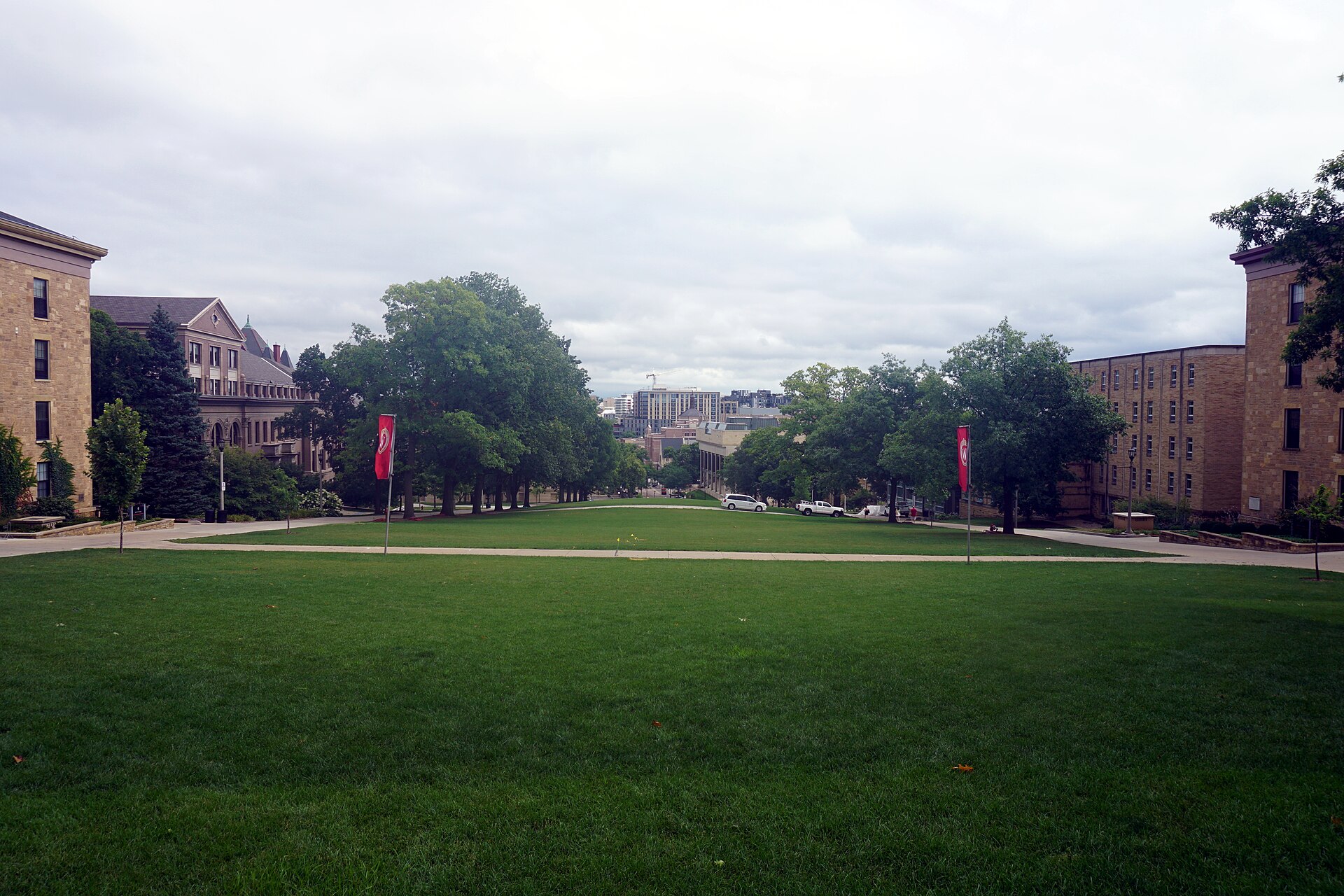
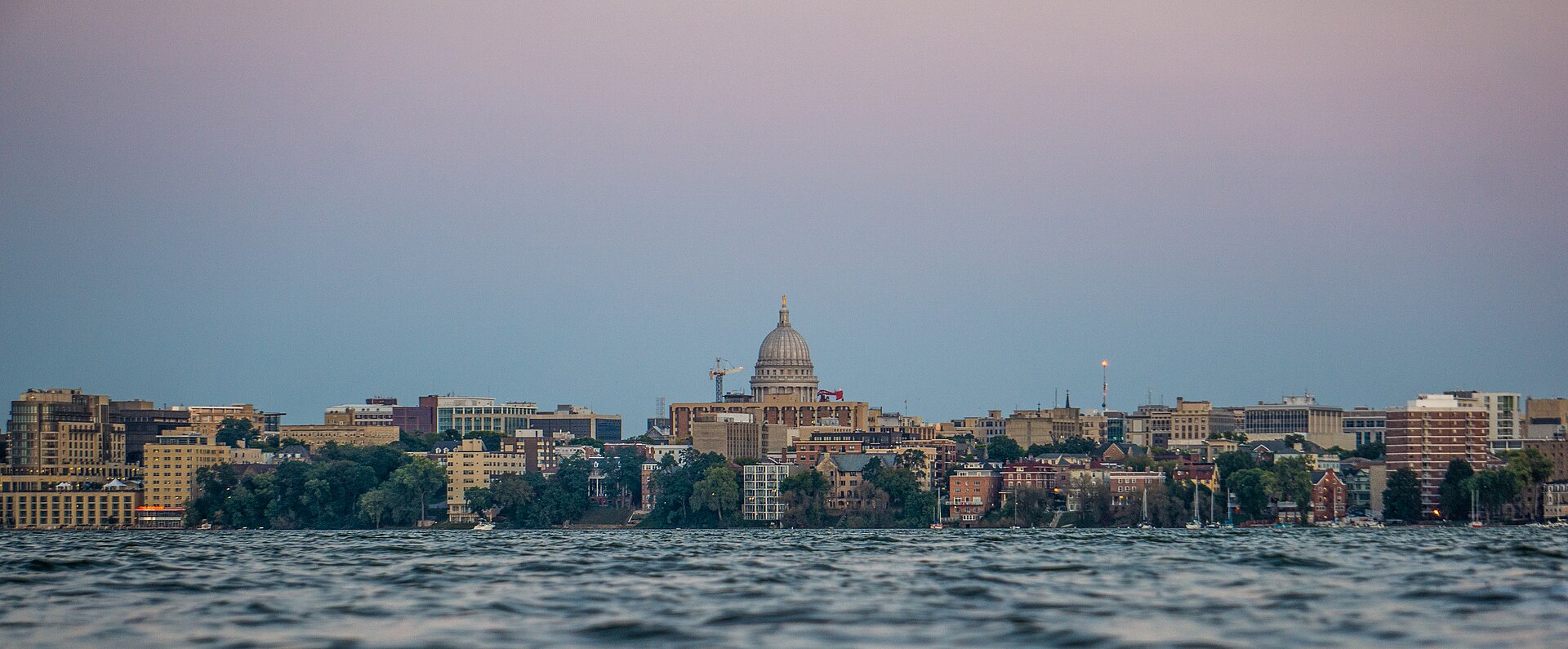
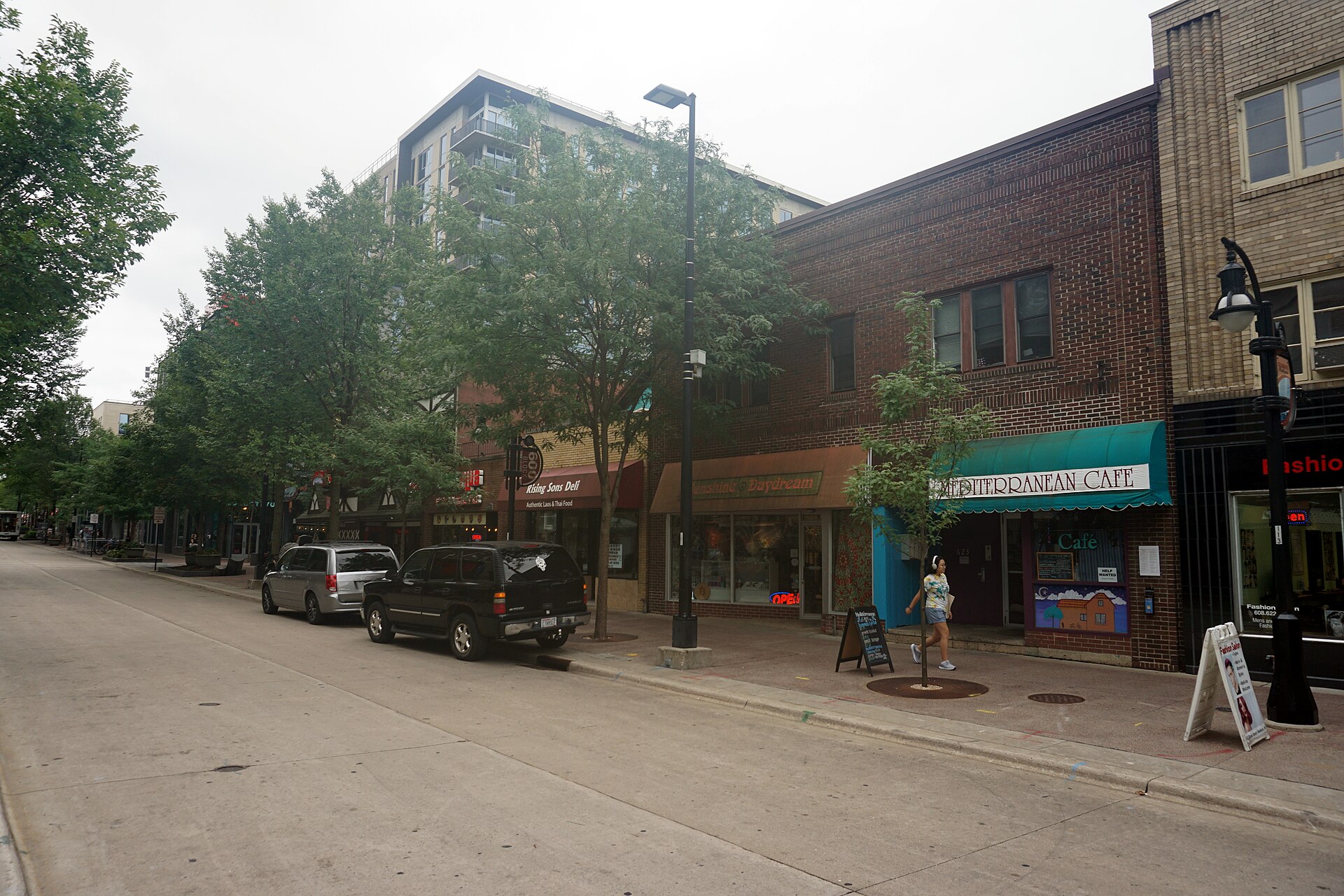
State Street runs from the Capitol's steps to the University of Wisconsin–Madison's Library Mall, and along that single mile Madison's two sovereign powers meet. The university at the street's end — founded in 1848, the year of Wisconsin statehood — is the city's largest employer, its biggest landlord, its cultural center and its most famous export. Understanding Madison starts with understanding the institution on Bascom Hill.
The scale is difficult to overstate: roughly 50,000 students, a faculty that includes Nobel laureates and MacArthur fellows, and a research enterprise spending well over a billion dollars a year — among the largest in American higher education — across everything from the dairy science that built the state's farm economy to the stem-cell and biotechnology work that built Madison's modern one. The Wisconsin Idea, the university's century-old doctrine that its work should serve every household in the state, remains the operating system: extension agents in every county, research aimed at Wisconsin problems, a campus that belongs, in principle, to the dairy farmer and the Milwaukee machinist as much as to the freshman.
The university's presence is the city's economy in ways visible from any sidewalk: the biotech firms of University Research Park, the hospital and clinics on the west campus, the small businesses of State Street and the neighborhoods — Langdon, State-Langdon, the Greenbush, Vilas — whose housing stock and social life are calibrated to the academic calendar. When the university sneezes, as the local saying goes, the isthmus reaches for a tissue: enrollment, state funding and research grants are City Hall and county budget news as surely as any tax vote.
November finds the campus in its fullest stride: the semester's final third, Camp Randall's home stretch, the admissions cycle, and the annual argument over the university's budget request warming up for the Legislature's return. For thousands of Madison households, UW is also the family business — the employer of a parent, the school of a child, the hospital of record.
This newsroom will cover the university as the civic institution it is: regents and budgets translated, research explained, town-gown friction reported with both addresses named. Half the skyline deserves half the attention. We're prepared to give it.