The Most Studied Lake in the World: Mendota and the Yahara Chain
Lake Mendota has been researched continuously for over a century — and its algae, ice dates and water clarity are Madison's environmental vital signs. The science of the city's four lakes.
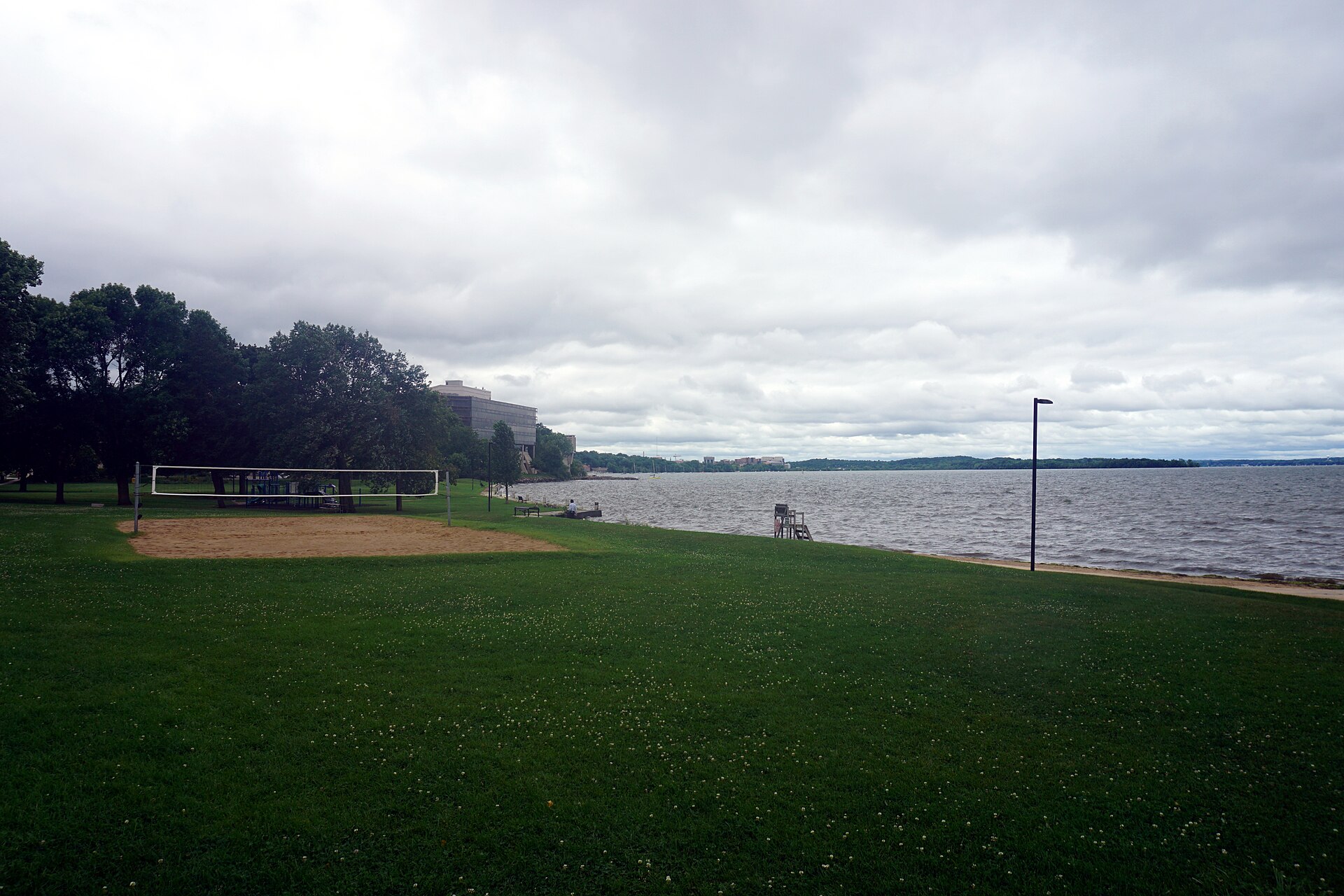
Lake Mendota's claim is precise and remarkable: it is often called the most studied lake in the world. The University of Wisconsin's Center for Limnology — the science of inland waters, a field effectively founded on these shores — has measured Mendota since the nineteenth century: its ice-on and ice-off dates form one of the longest continuous climate records in America, kept since the 1850s. When Mendota freezes is, quite literally, data in the world's climate archive.
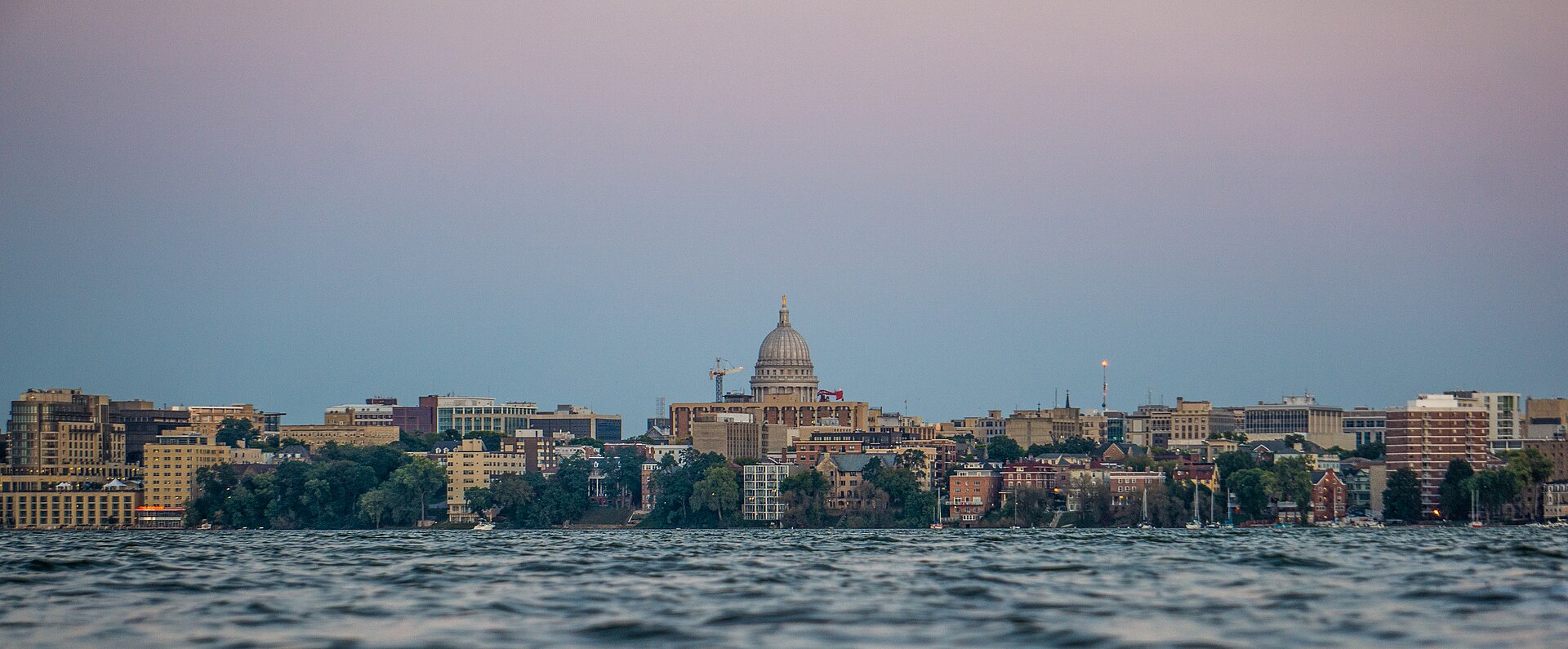
The four lakes of the Yahara River chain — Mendota, Monona, Waubesa and Kegonsa — are Madison's defining landscape and its standing environmental report card. The science is plain: the lakes sit in a rich agricultural and urban watershed, and the phosphorus that runs off farm fields, lawns and streets feeds the summer's algae blooms and the beach closures that are the chain's chronic condition. The cleanup effort — county programs buying development rights and building wetlands, farmers changing practices, the Clean Lakes Alliance marshaling the region's civic energy — is a generation-long project measured in these pages' favorite units: pounds of phosphorus kept out, days of clarity gained.
November is the lakes' turning: the water column mixes as it cools — the fall turnover limnologists mark — the algae die back, the clarity improves to its winter best under the coming ice, and the research boats make their last runs before the freeze. The ice dates themselves are the season's civic lottery and scientific milestone at once; the Center for Limnology's records let Madison compare this year's freeze against 170 years of its own history.
For residents, the lakes are also the daily landscape: the Mendota shoreline's public access from James Madison and Tenney parks to Picnic Point — the university's beloved peninsula preserve, whose trails through November woods are the city's finest walk — and Monona's loop, the bike circuit that rings the smaller lake through the near-east neighborhoods and Monona itself.
Our outdoors desk will keep the lakes in rotation: the science as UW publishes it, ice dates and conditions, beach and clarity reports in season. Madison's lakes are its mirror. We intend to look carefully, and often.